

purpose, truth, action: an interview with Anelda Peters
the second in a series of interviews about women navigating significant transitions

I’m Aja. Welcome to every thing changes, a newsletter about navigating change from the inside out. Honest reflection, wisdom from the earth and the cards, and tools that work when things get hard. Written by Aja, ocean advocate, psychedelic facilitator, and accredited coach.
This is the second in a series of interviews with people I know going through transitions.
This one is my mother. I used the same simple set of questions from the last interview, and plan to continue that for all the pieces in this series. I wondered how the questions would function in a situation where I know a lot of the story that shapes the answers. I learned the questions produce insightful answers regardless. The more difficult part was parsing back through our transcript, because we speak to each other as any talkative family members would, in overlapping sentences and shorthand.
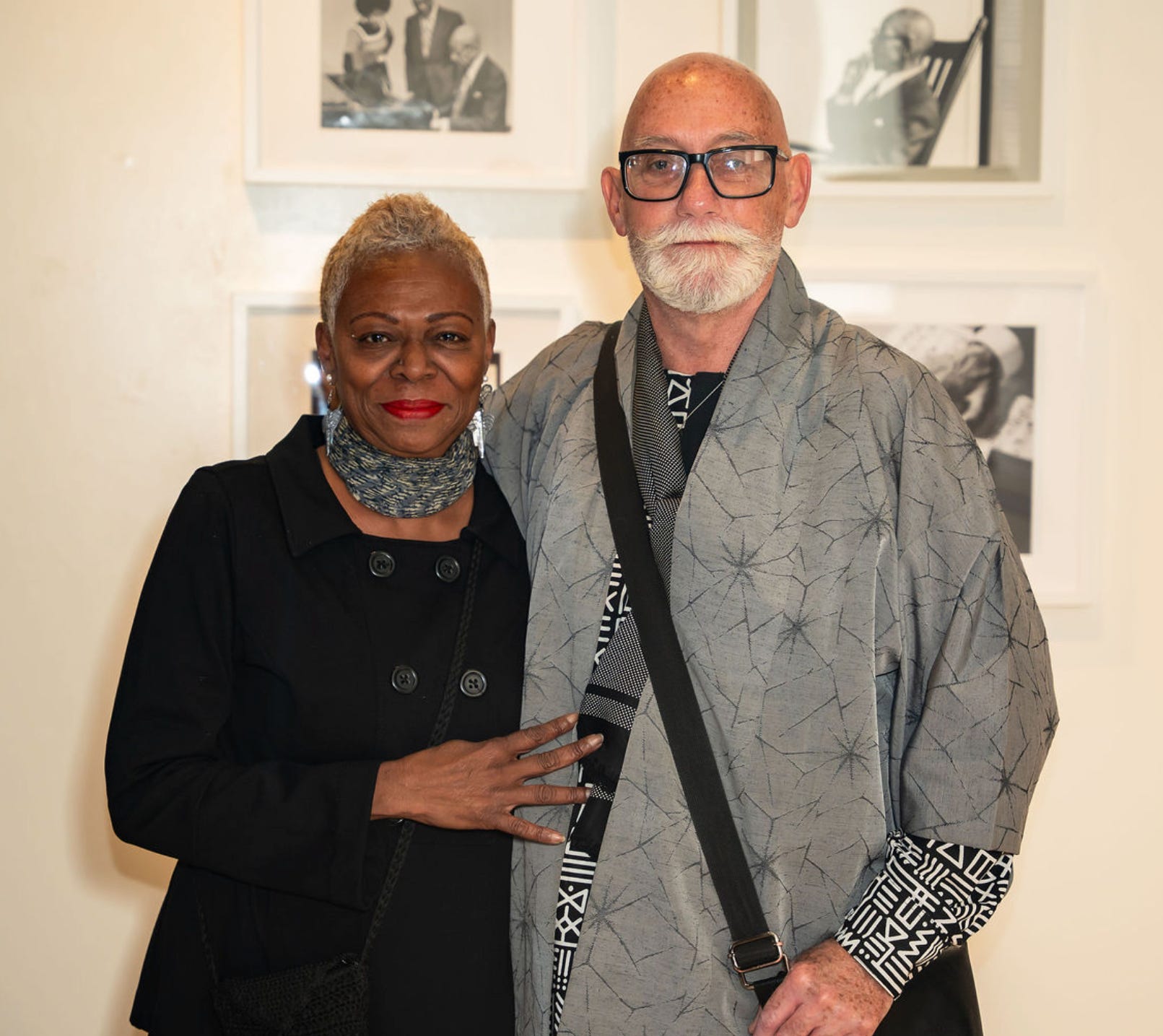
My mother’s name is Anelda. She is 63 years old, born in Antigua. Let’s start with some dreamy pics of her from when she was a teen.
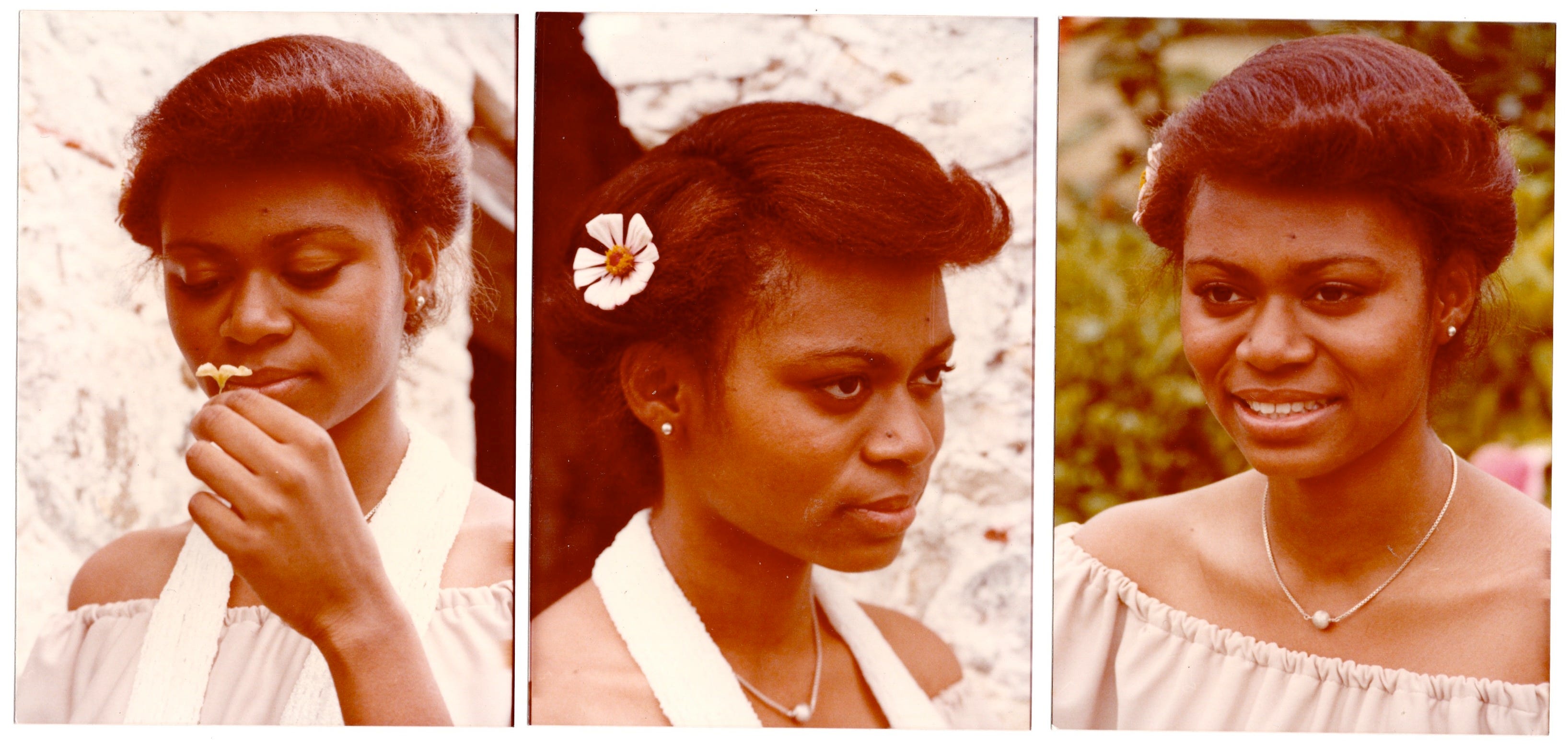
My mother has lived in Baltimore for 26 years. When I asked what she considers her calling in life, she said, “I think I’m a connector. It’s taken me a long time to acknowledge that.”
This is a funny answer if you know her. She knows a lot of people. My mother is one of the most disarmingly warm humans you’ll ever meet. My whole life, I’ve watched her walk into a grocery store or any old place for a five minute errand, and walk out with plans to help someone later that week, information about someone’s aunt who recently went into the hospital, a new best friend. She balances her extroversion with alone time and a tight inner circle. “My immediate family is primary. Then I have a few select friends that I am in touch with daily who I consider my core tribe.”
I asked her to describe a transition that has been significant recently.
“My husband passed. I lost my job. The past two years have been stressful trying to sustain myself financially. But by the grace of God, I managed with the help of family and friends.”
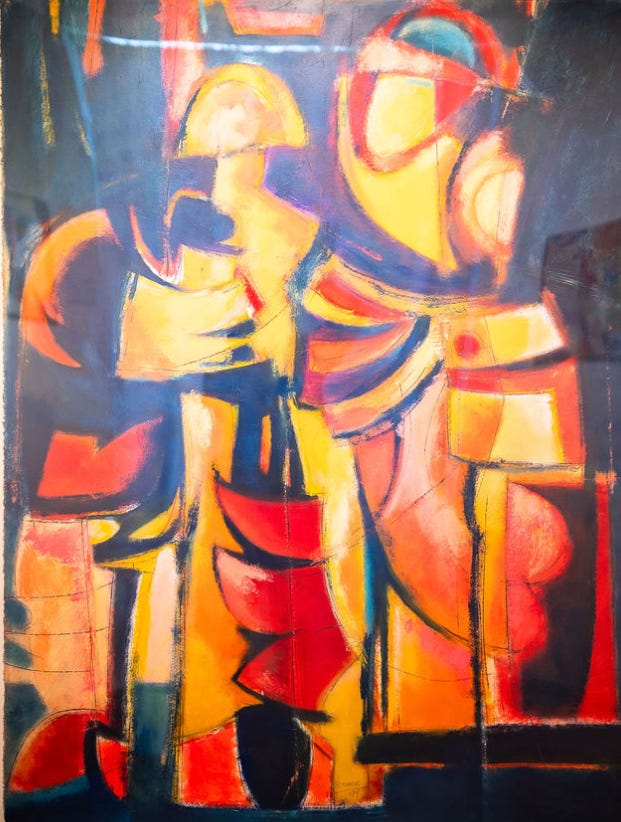
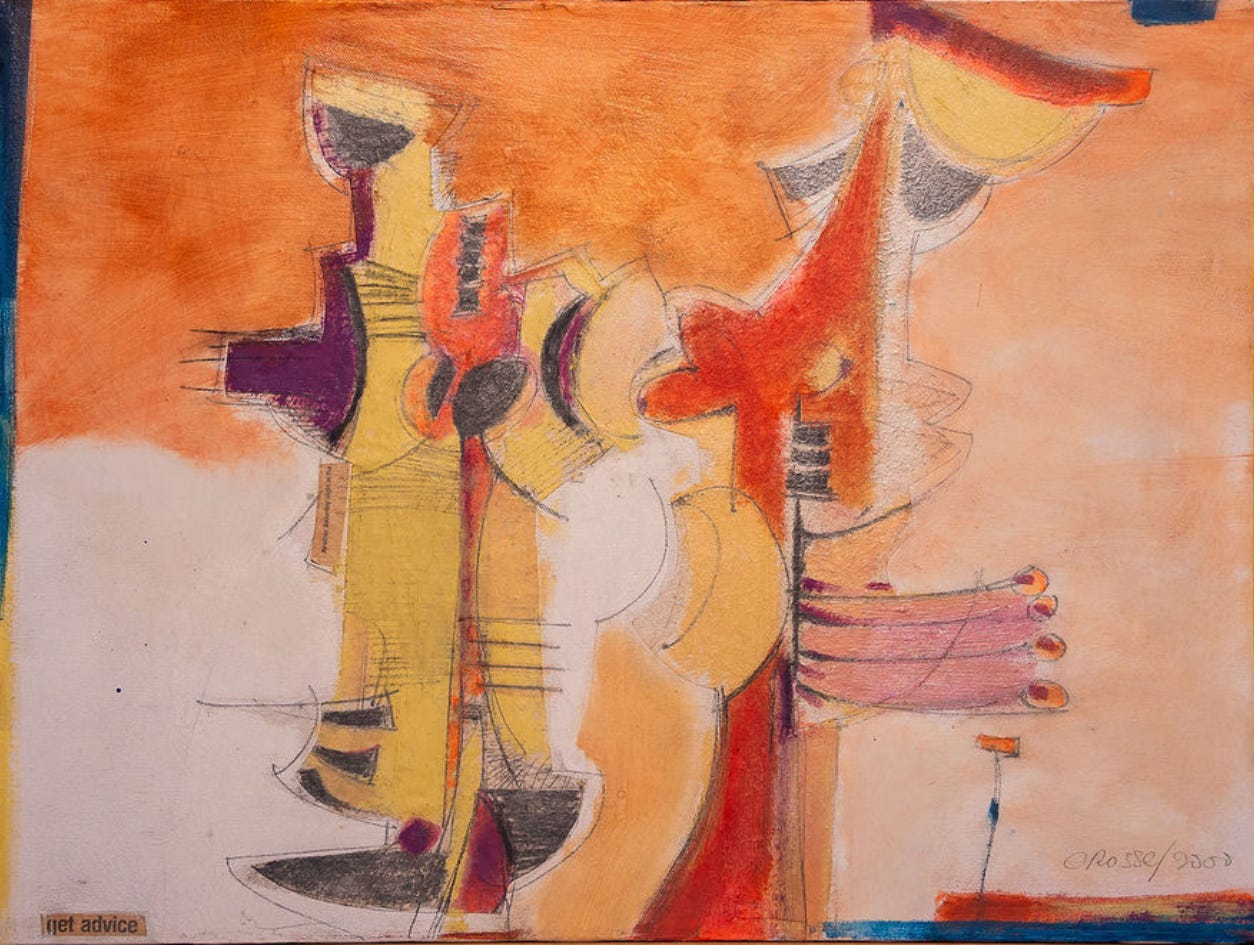
Her deceased husband and my stepfather, Roy Crosse, had been making art his entire life. It was literally the only kind of work he ever had. His pieces had been installed in museums in the United States and abroad. But when they moved to Baltimore in the early 2000s, they turned part of their large row home into his studio and workspace. The rest they used as a gallery. Roy displayed his work on the upper floors and used the lower floors to promote other artists. This meant that he spent the last years of his life hosting more exhibitions for other people than he ever did for himself.
After he passed in 2014, my mother was left with a large body of his work and a set of hard facts.
“My husband left a large body of artwork that I was automatically in charge of.” She later lost her job, and considered the possibility of selling their large house in the list of next steps. She realized “I could accomplish two objectives: get my hubby’s artwork out to the world, and use the proceeds to sustain myself and my home. So after living with these items for so long on my own, I had to prepare to let them go.”
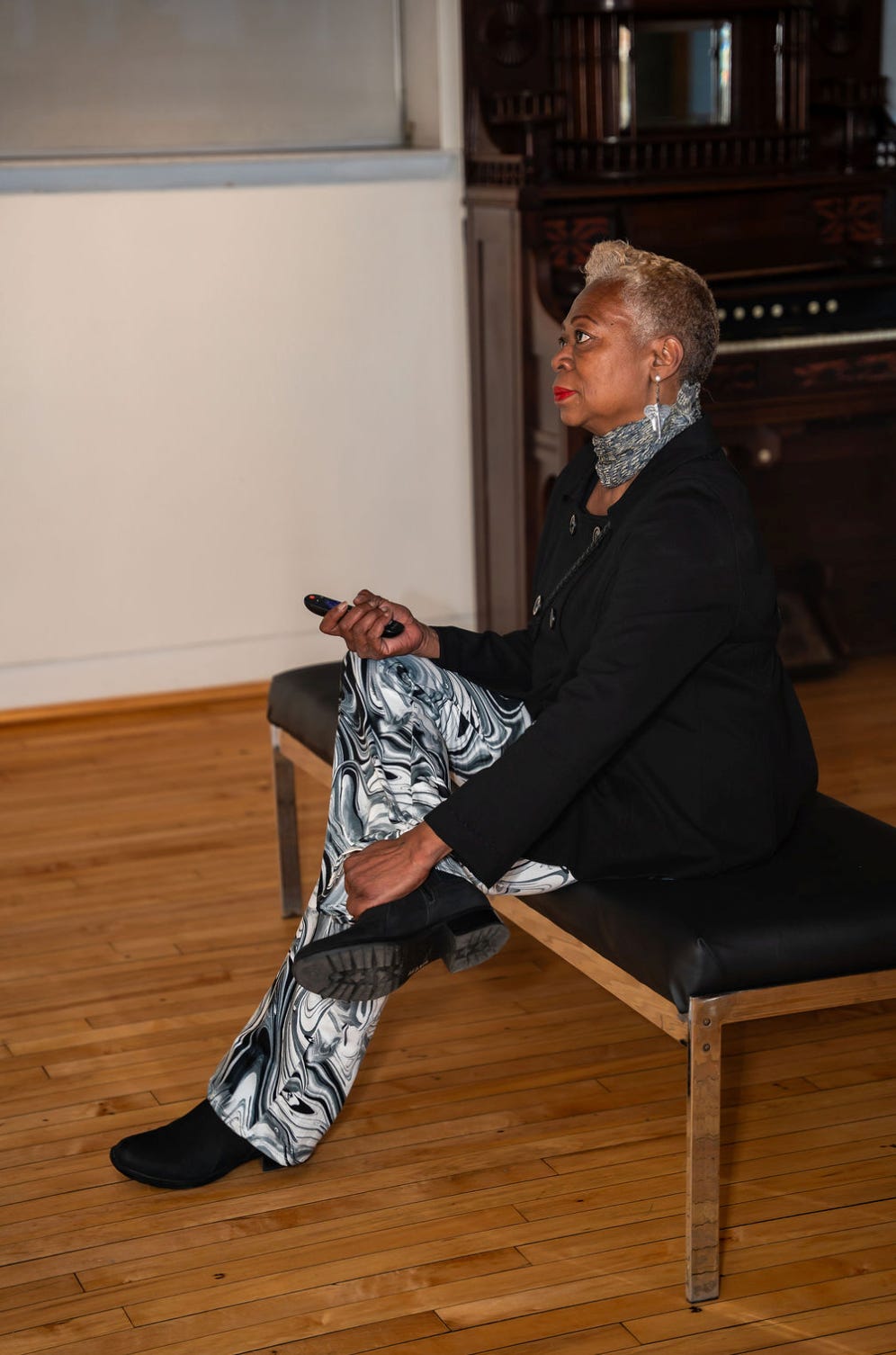
I asked what made the transition easier.
The answer started practical. She looked at what she had.
“Technically having no money, the thing that I have is this house and I have the artwork. Those are the two things. And it’s like, okay, why are you holding on to all this stuff, and where are you going to go with it?”
She started reaching out to several museums around Baltimore. Some museums expressed interest that ultimately didn’t result in exhibitions. Other galleries offered contracts that would have meant signing away her rights. She said no. She finally found a good match with Eubie Blake Cultural Center and started on the long process of preparing his work for a show.
That process has taken almost a year, partly because Roy started making art before the internet existed. There is nothing about him online. No digital archive, no website. So Anelda has been working with an archivist who comes over every couple of weeks. They sit on the floor together reading through yellowed articles and old exhibition records. My mom makes beans and rice. They sit there, piecing together a history that was never digitized.
But beyond the logistics, what made the transition easier was something she appreciates about Roy’s work itself. She remarked on the objective beauty of his art, but also something that she noticed about his art in contrast to what she saw in other exhibits. She has spent a lot of time in recent years going to art shows around Baltimore for her own education.
“Art is very personal. But a lot of the exhibitions I’ve gone to, I thought were too personal. Like, things that were so representative of the artist that it was more representative of the artist than say a piece that I would buy to be in my house. I don’t want your face in my living room.”
I laughed, because that is exactly how she talks.
“That’s the one thing that I really, really love about Roy’s work. I could take one of his paintings and put it in somebody’s house and it would fit in. Even without knowing that it was created by him, it fits into your home and it compliments it in some way.”
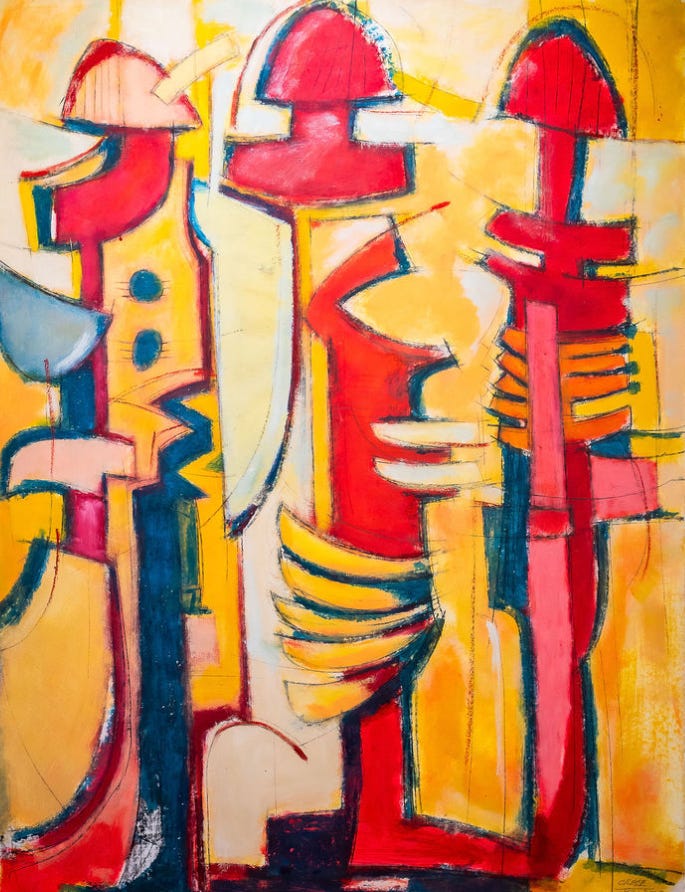
She has lived inside his art for the length of their relationship. She knows what it does in a room. And she knew that Roy would have wanted her to do this. What she was holding onto, she realized, wasn’t really about love. It was about habit.
“It’s more habit that I’ve gotten so used to the pieces. It’s here. I’m used to it. And embracing change, because like you say, everything changes! And it does. It comes down to, how are you going to embrace that change? Are you going to embrace it with anger, or with feeling sorry for yourself, or finding something, like, some active way to make it relevant to you and possibly to other people?”
I asked what was hardest.
“Just coming to terms with the fact that things have changed. That was hard. It was really hard.”
Not the logistics of organizing for a gallery exhibit. The acceptance.
“This is a new chapter. And coming back to embracing that things are going to be different regardless. Things have changed. So what are you going to do?”
I was there, years ago, helping her sort through things right after Roy passed. She was processing his death and simultaneously realizing she had to deal with an enormous body of work. I don’t think we could have done what she’s doing now back then. It wasn’t time yet.
She told me about a friend whose husband passed around the same time as Roy. Twelve years later, all of his things are still in the house. His closet is untouched. Anelda has offered help, but her friend declined.
“She’s just not ready. And who knows. It’s a different timeline for all of us.”
About five years after Roy’s passing, Anelda started gathering his things into one room. She calls it the Roy room. It’s set up like a small library and archive now.
Before the show, she went through the works she truly loved and moved them upstairs in her house where no one would see them. When the exhibition finally came together and a crew showed up to pack everything, she told me it felt like she was moving. The walls were suddenly empty. She said the same to the gallery director, who told her: “You’re not moving. You’re moving ahead.”
That loosened something. “It made me feel like I’m making space to be able to deal with all the changes that have happened in my life, and I hadn’t before.”
Now, when the gallery calls to say a piece has sold, she knows exactly which one before they finish the description.
“I’ve been so intimate with these pieces over the years. Like, automatically I know which one. There’s thirty pieces in the show. I said yes, it was hanging at such and such a place in my house. I remember where everything was.”
I asked what gave her strength.
“Honestly, really my family and friends. It was just nice to know that they were being supportive and encouraging. So many people asked if there were things they could do to help, but a lot of it I had to do myself, because I literally had to go through things and find what they wanted to know. I had to sit on the floor and go through things, and I just couldn’t ask anybody to, because they didn’t know what I was looking for either.”
But the support mattered. People called. People brought food. People checked in.
“It just really made me cherish the people I chose to associate with and hang around. It is really important to be connected.”
Her aunt once told her: “Whatever you do, Anelda, it’s very important that you have companionship as you get older.” I think my aunt meant a husband. My mom really loves living on her own. She told me this plainly and without apology. But companionship doesn’t have to mean one person or a partner. It means tending to all the relationships you have.
She told me a friend of hers put it more bluntly: you need friends of all ages, because the ones closer to your age are going to die off, and you need the next group ready.
“She broke it down like that. And she’s sort of right. You just need to foster friendship and community. I passionately love being by myself. But though I like being by myself, I like being with other people. The knowing that I get to be by myself later on, that’s what matters. You have to have some sort of balance.”
I asked what she would say to other women going through something similar.
“I started to look at my fear and perceived loss as an opportunity to be able to move on. I broke it down into tiny bits.”
She told me she had written something down on a piece of paper, and walked away from the video call to grab it. This is another thing of my mom that I now do. All my life, she’s written little, hopeful, inspirational quotes on post-it notes or scraps of paper, or sometimes taken the time to frame them. She puts them around the house in places where people linger. Like near the kitchen sink, where you might meditate on the words a little bit while you’re standing washing dishes. It’s a habit I picked up in the notes app on my phone, in a journal I take with me everywhere I go.
She calls it the Three-Part Change Process.
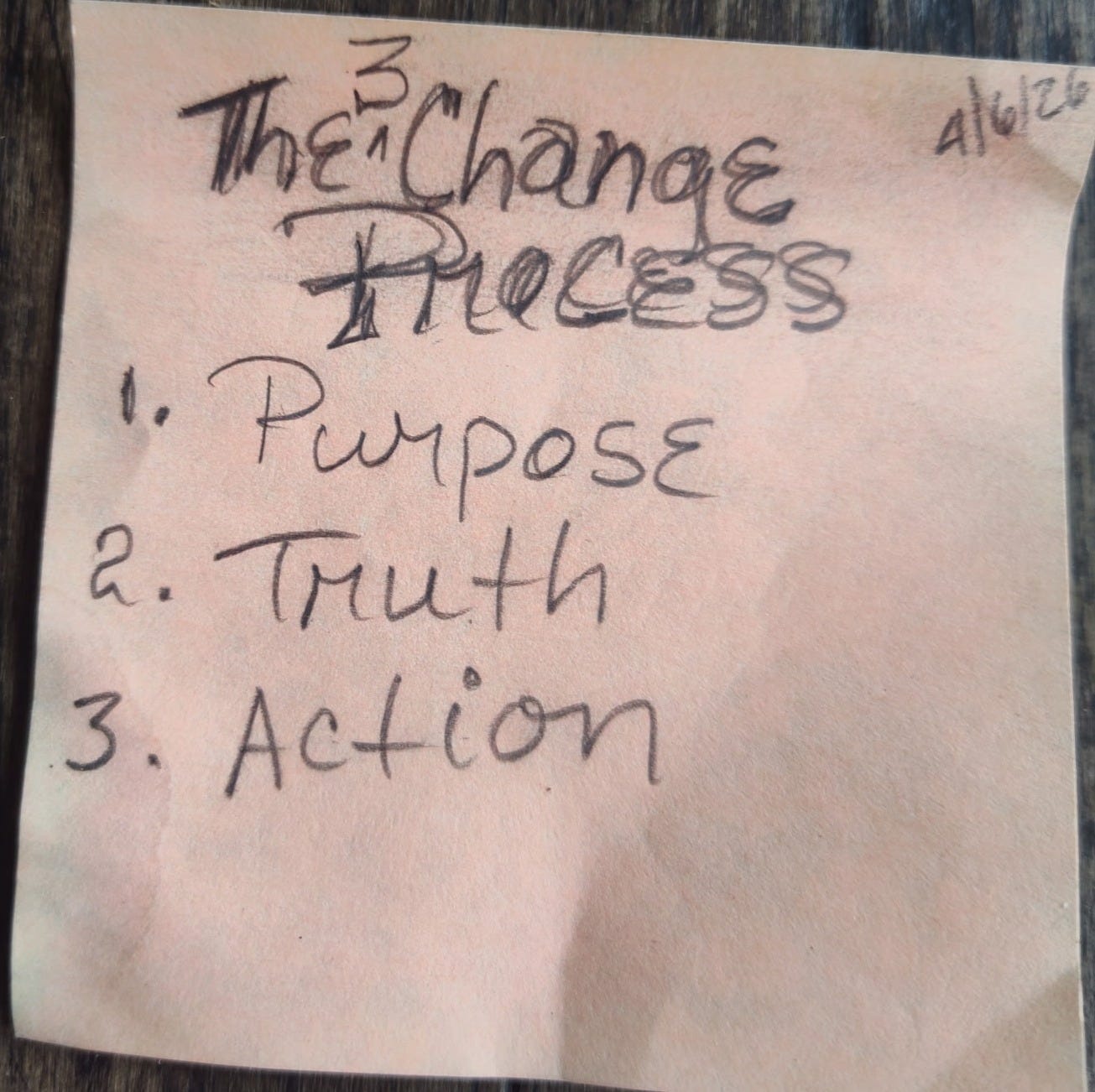
This one said: “Number one is purpose. Number two is truth. And the third thing is action.”
Purpose is knowing why. “What’s important to you about this? Why do you want to do it?”
Truth is knowing what you have. “My truth is I know what I have. I know what I can do. I know the importance to me. And just live with that.”
Action is doing the thing.
“It sounds so easy. Purpose, truth, action. But it’s not.”
And when the nostalgia hit, when she found herself caught in the grief of a particular piece leaving the house, she would come back to it.
“When I found myself just getting nostalgic about things, that was what I reverted back to. Okay, how is this going to help you in the long run? And that helped me to get through whatever emotion I was feeling about any specific piece.”
When she first said “break it down into little bits,” I thought she was referring to breaking the task of getting the exhibit together into small tasks. It’s interesting that she was actually referring to the mental steps to make the decision to act.
She is in a paring-down phase now. Not just the art. Everything in the house that doesn’t have a clear reason to be there.
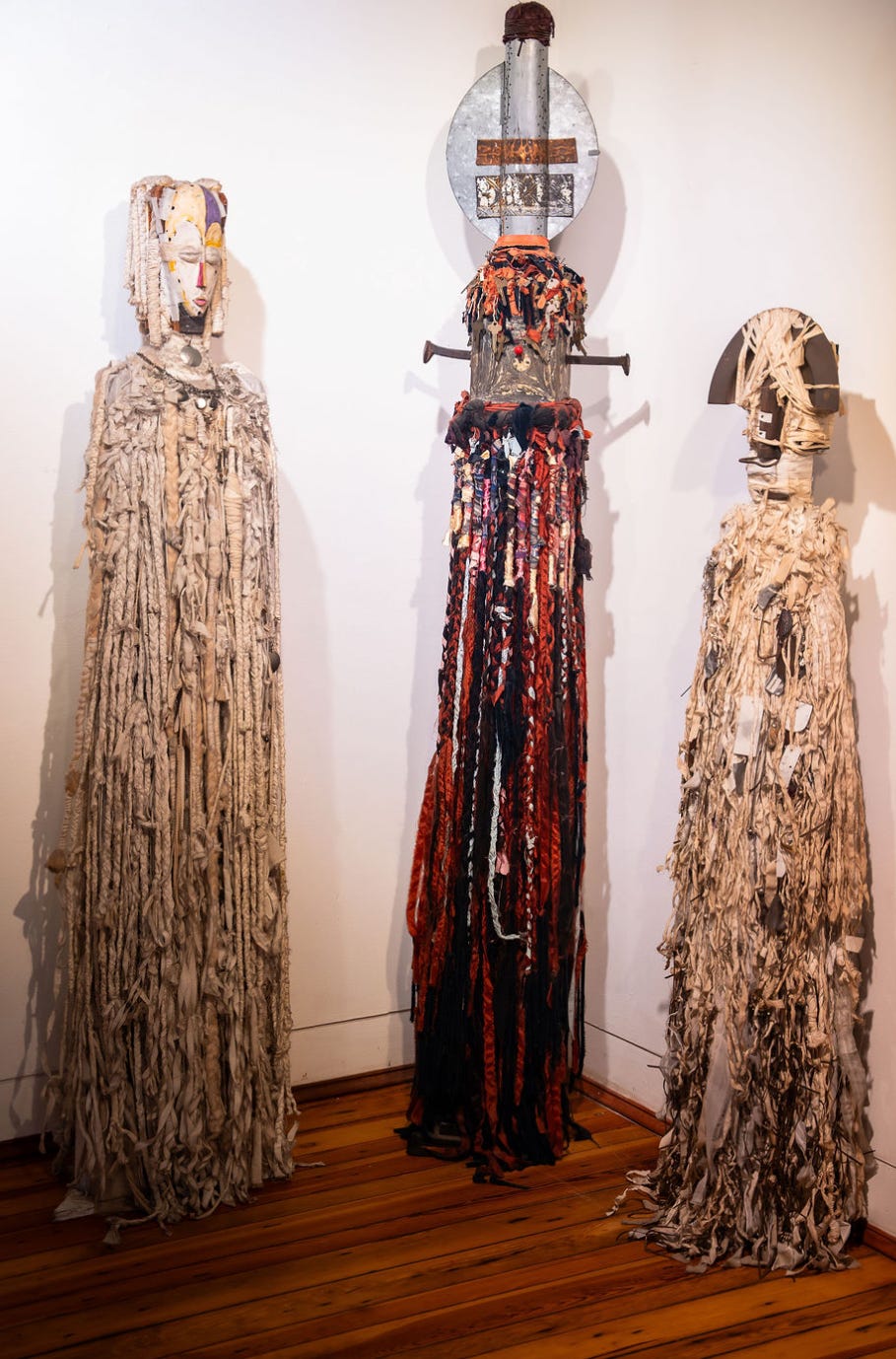
I’ve lost elders recently, and have elders in my family who won’t be around much longer. I’ve been through the devotion of sorting through the physical items loved ones leave behind. I have anxiety about what’s coming in the back of my mind, that I’ve only just begun. Objects hold the shape of a life you shared with someone. Letting the objects leave the house is not the same as letting the person go. But it is not nothing, either.
My mother looked at what she had. She told herself the truth about what she needed. And she made a choice to act. I see it as not turning away from my stepfather, but towards supporting herself and sharing his gifts with the world.
Happy Mother’s Day, Mom. I’m proud of you.
Anelda Peters is a connector, community builder, and the steward of the estate of artist Roy Crosse. She lives in Baltimore, Maryland. An exhibition of Roy Crosse’s art is at the Eubie Blake Cultural Center through June 6, 2026. You can view photos of the opening night for the exhibit here.
This interview is part of an ongoing series about women navigating significant transitions. If you know someone whose story should be told here, reach out.
Thank you and your beautiful mom for sharing this! I appreciate learning the interiors of navigating this particular life transition, and Roy’s art and the radiant images of your mom really grounded her wisdom wonderfully. Excited for this series!
Aja! I love this series. And now I better understand where your insight and instinct draws from. You’re a connector, too! Thank you for sharing this Mother’s Day gift.